Navigating Africa's Political Landscape: An Election Timeline and the Intersection of ETFs and Cryptocurrency
Category : Cryptocurrency History |
Sub Category : Posted on 2024-10-05 22:25:23
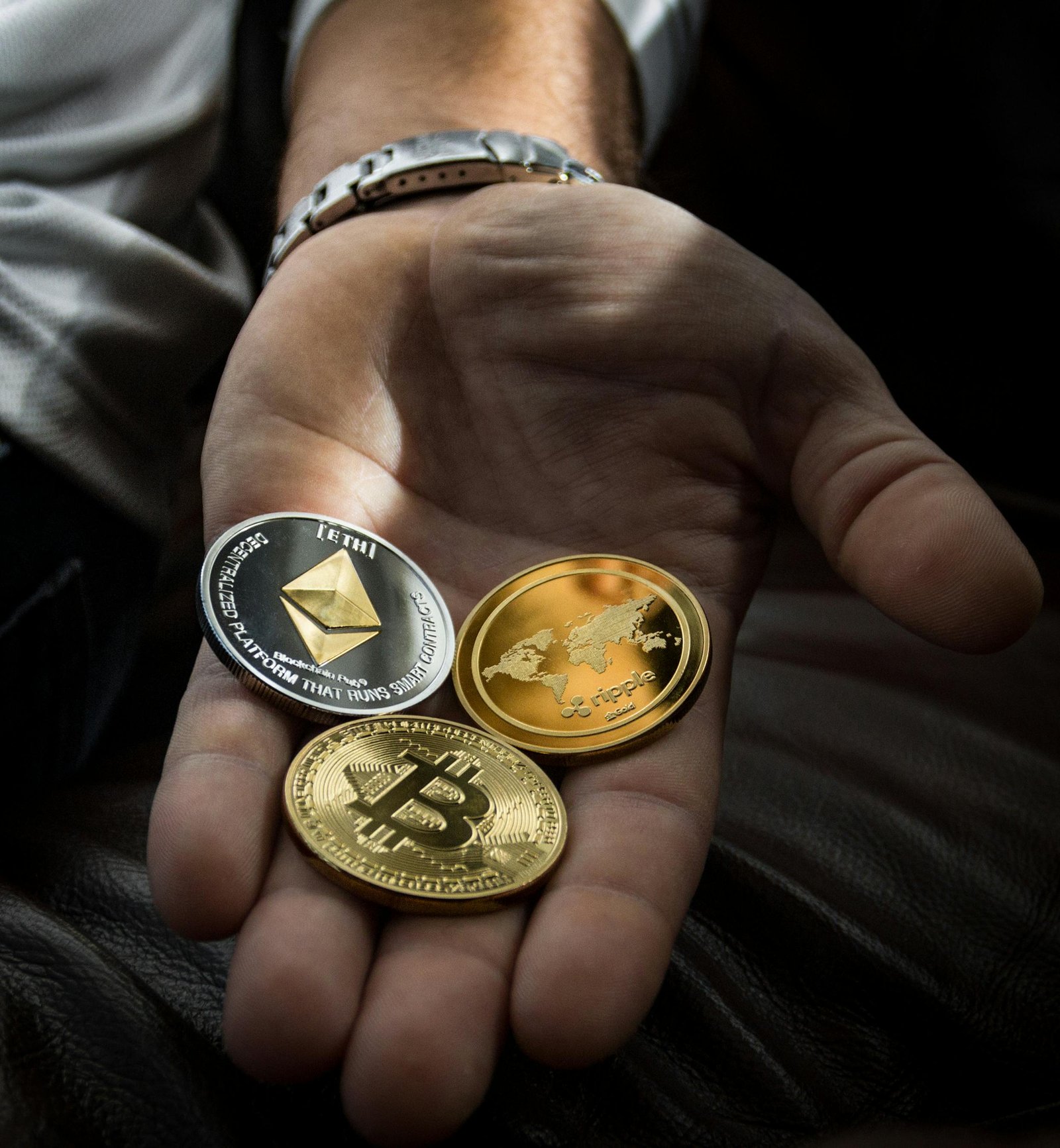
Africa is a continent rich in culture and diversity, with each country having its unique political landscape. Elections play a crucial role in shaping the future of these nations, and understanding their timeline is essential for investors, especially those interested in exchange-traded funds (ETFs) and cryptocurrencies. **African Election Timeline:** The political calendar in Africa is diverse, with elections taking place at different times in various countries. For example, Nigeria, the continent's most populous nation, holds elections every four years, with the most recent presidential election taking place in 2019. Other countries like South Africa, Kenya, and Ghana also schedule their presidential and parliamentary elections periodically. It is important for investors to keep track of these elections as they can create both opportunities and risks in the market. A peaceful transition of power can boost investor confidence and drive economic growth, while political instability can lead to market volatility and uncertainty. **ETFs in Africa:** Investing in African ETFs can provide exposure to the continent's growing economy and diverse markets. ETFs offer a convenient way for investors to access a broad range of African assets, including stocks, bonds, and commodities. Some popular Africa-focused ETFs include the VanEck Vectors Africa Index ETF and the iShares MSCI South Africa ETF. As African economies continue to grow and diversify, investing in ETFs can offer diversification benefits and potentially higher returns compared to investing in individual stocks. However, investors should conduct thorough research and consider factors such as political stability, economic growth prospects, and currency risks before investing in African ETFs. **cryptocurrency in Africa:** The adoption of cryptocurrencies is on the rise in Africa, with countries like Nigeria, South Africa, and Kenya leading the way. Cryptocurrencies offer a decentralized and secure way to transact, especially in regions with limited access to traditional banking services. In countries plagued by high inflation rates and currency volatility, cryptocurrencies like Bitcoin and Ethereum have become a popular alternative for storing value and making cross-border transactions. Moreover, blockchain technology is being explored for various applications, including supply chain management, healthcare, and financial services. As the cryptocurrency market continues to evolve, investors in Africa can explore opportunities in digital assets and blockchain technology. However, regulatory uncertainty and cybersecurity risks remain key concerns that investors should carefully consider. In conclusion, understanding the timeline of elections in Africa is crucial for investors looking to navigate the continent's political landscape. By staying informed about upcoming elections, exploring investment opportunities through ETFs, and considering the growing adoption of cryptocurrencies, investors can position themselves strategically in Africa's dynamic and evolving markets. If you are interested you can check https://www.savanne.org


