Cryptocurrency has been a hot topic in recent years, revolutionizing the way we think about money and financial transactions. The rise of cryptocurrencies such as Bitcoin and Ethereum has sparked both excitement and controversy, with many people divided on its potential impact on the economy and society. In this blog post, we will explore the intersection of cryptocurrency and conflicts in history, drawing parallels between the two seemingly disparate topics.
Category : Cryptocurrency History |
Sub Category : Posted on 2024-10-05 22:25:23
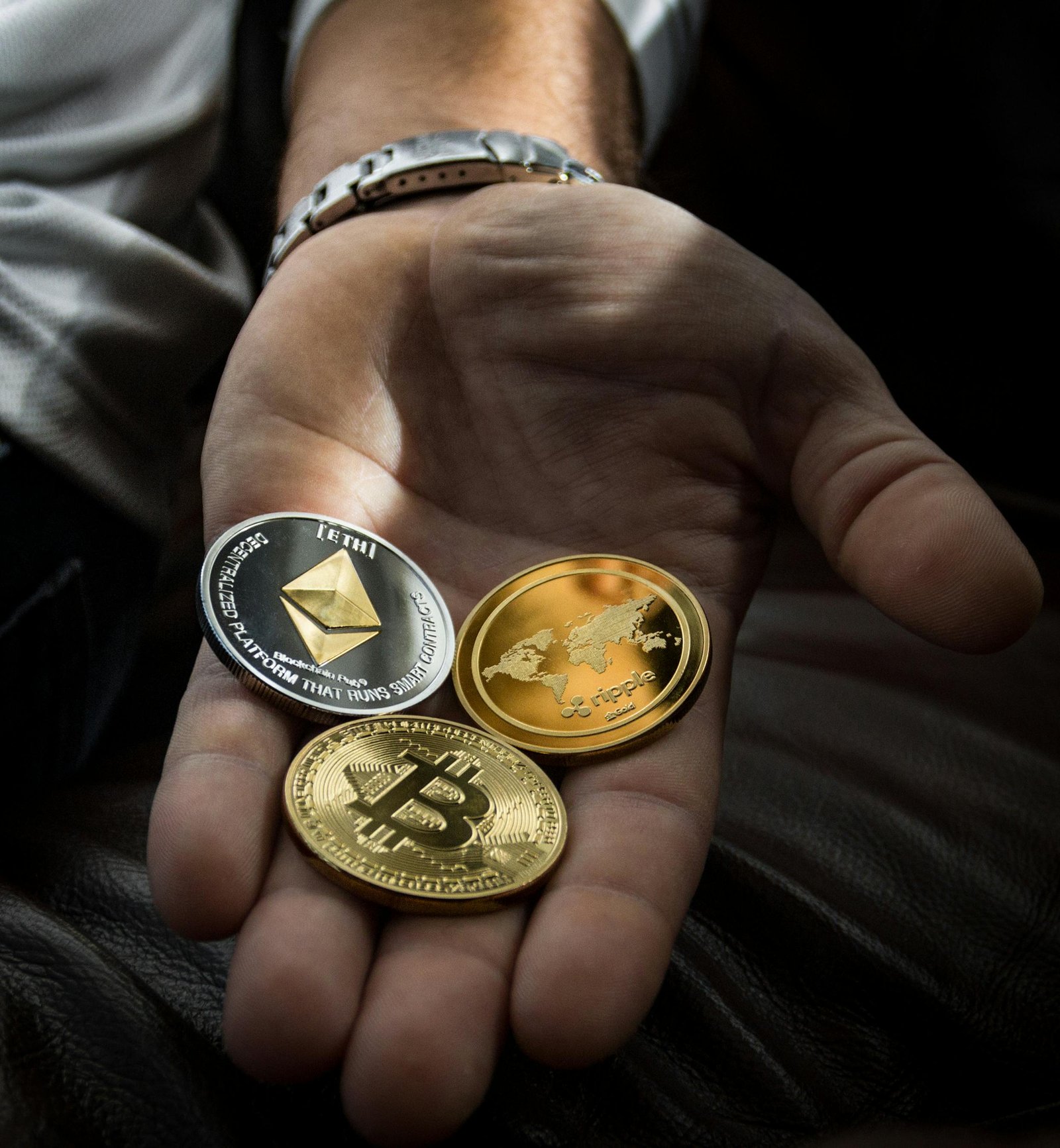
One of the key features of cryptocurrency is its decentralized nature, which means that it operates without the need for a central authority such as a government or bank. This decentralization has been hailed by some as a way to democratize finance and empower individuals to take control of their own money. However, it has also raised concerns about the potential for misuse and illicit activities, such as money laundering and tax evasion. These conflicts and debates surrounding cryptocurrency are not entirely new. Throughout history, we can see similar tensions arising in other contexts, such as the spread of paper money in ancient China or the establishment of the Federal Reserve in the United States. In both cases, the introduction of new forms of currency challenged existing power structures and sparked resistance from those who stood to lose out. Moreover, the concept of trust plays a crucial role in both cryptocurrency and historical conflicts. In the world of cryptocurrency, trust is placed in the underlying technology, such as blockchain, to ensure the security and integrity of transactions. Similarly, in historical conflicts over currency, trust was often at the center of disputes, as people questioned the reliability of new forms of money and the institutions backing them. In conclusion, the intersection of cryptocurrency and conflicts in history reveals the complex relationship between money, power, and trust. As we continue to navigate the evolving landscape of digital finance, it is essential to consider the lessons of the past and approach new technologies with a critical eye. By examining these connections, we can gain a deeper understanding of the challenges and opportunities presented by cryptocurrency in our modern world. to Get more information at https://www.coinmarketplayer.com


