Arab ETF and Cryptocurrency: Unraveling Conflicts in History
Category : Cryptocurrency History |
Sub Category : Posted on 2024-10-05 22:25:23
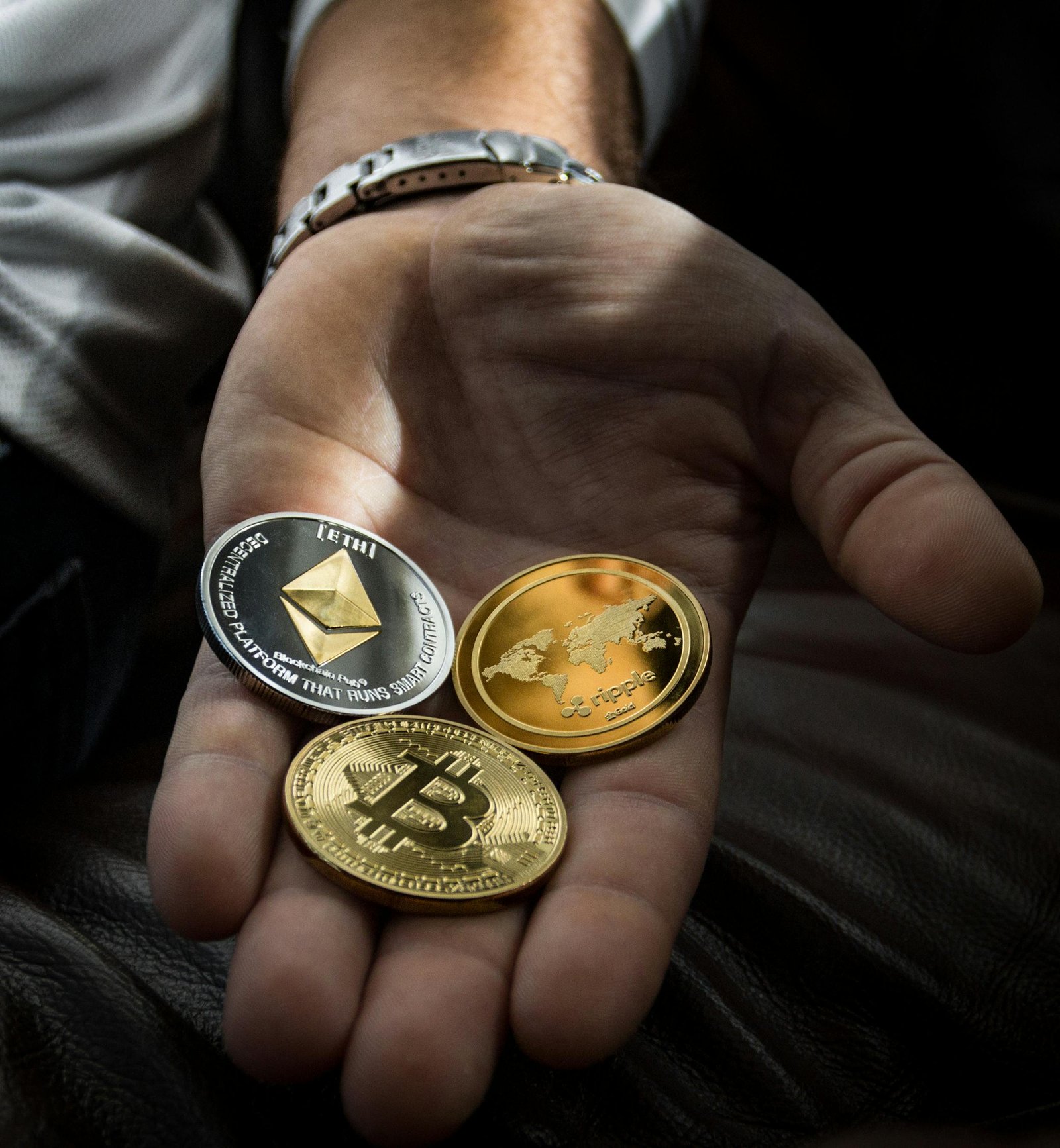
The Arab world has a long and complex history, filled with political, economic, and social conflicts that have shaped the region's dynamics over the centuries. In recent years, the rise of exchange-traded funds (ETFs) and cryptocurrencies has added another layer of complexity to the Arab world's financial landscape. ETFs are investment funds that trade on stock exchanges, much like individual stocks. They typically track an index, commodity, or a basket of assets and provide investors with exposure to a diversified portfolio in a single trade. On the other hand, cryptocurrencies are digital or virtual currencies that use cryptography for security and operate independently of a central authority. When these two financial innovations intersect in the Arab world, conflicts often arise due to a variety of factors. One major issue is the conservative financial culture prevalent in many Arab countries, which can be resistant to new and unregulated financial instruments like cryptocurrencies. Governments and regulatory bodies in the region often struggle to come to terms with the decentralized nature of cryptocurrencies and their potential impact on traditional banking systems. Additionally, concerns about money laundering, terrorist financing, and other illicit activities have prompted many Arab governments to crack down on the use of cryptocurrencies within their borders. This has led to a complex regulatory environment that can stifle innovation and investment in the digital asset space. On the ETF front, Arab countries have seen a growing interest in these investment vehicles as a way to diversify portfolios and access international markets. However, political tensions in the region, such as the ongoing conflicts in Syria, Yemen, and Libya, can impact the performance of ETFs that have exposure to these markets. Geopolitical risks, currency fluctuations, and regulatory changes can all pose challenges for Arab investors looking to capitalize on the potential benefits of ETFs. Despite these conflicts and challenges, there are also opportunities for growth and innovation in the Arab ETF and cryptocurrency space. Some Arab countries, like the United Arab Emirates, have taken steps to embrace blockchain technology and create regulatory frameworks to support the development of digital assets. As the region continues to modernize its financial infrastructure and adapt to the changing global landscape, the intersection of Arab ETFs and cryptocurrencies will likely play a significant role in shaping the future of finance in the Arab world. In conclusion, conflicts surrounding Arab ETFs and cryptocurrencies are deeply rooted in the region's history and are influenced by a range of factors including regulatory uncertainty, geopolitical tensions, and cultural attitudes towards finance. Navigating these challenges requires a balanced approach that considers the opportunities and risks presented by these emerging financial technologies. As the Arab world continues to evolve, finding common ground between tradition and innovation will be essential for building a resilient and dynamic financial ecosystem. also for more https://www.chatarabonline.com
https://egyptwn.com


