Unpacking the Connection Between Arab ETFs, Cryptocurrency, Corruption, and Religious Power
Category : Cryptocurrency History |
Sub Category : Posted on 2024-10-05 22:25:23
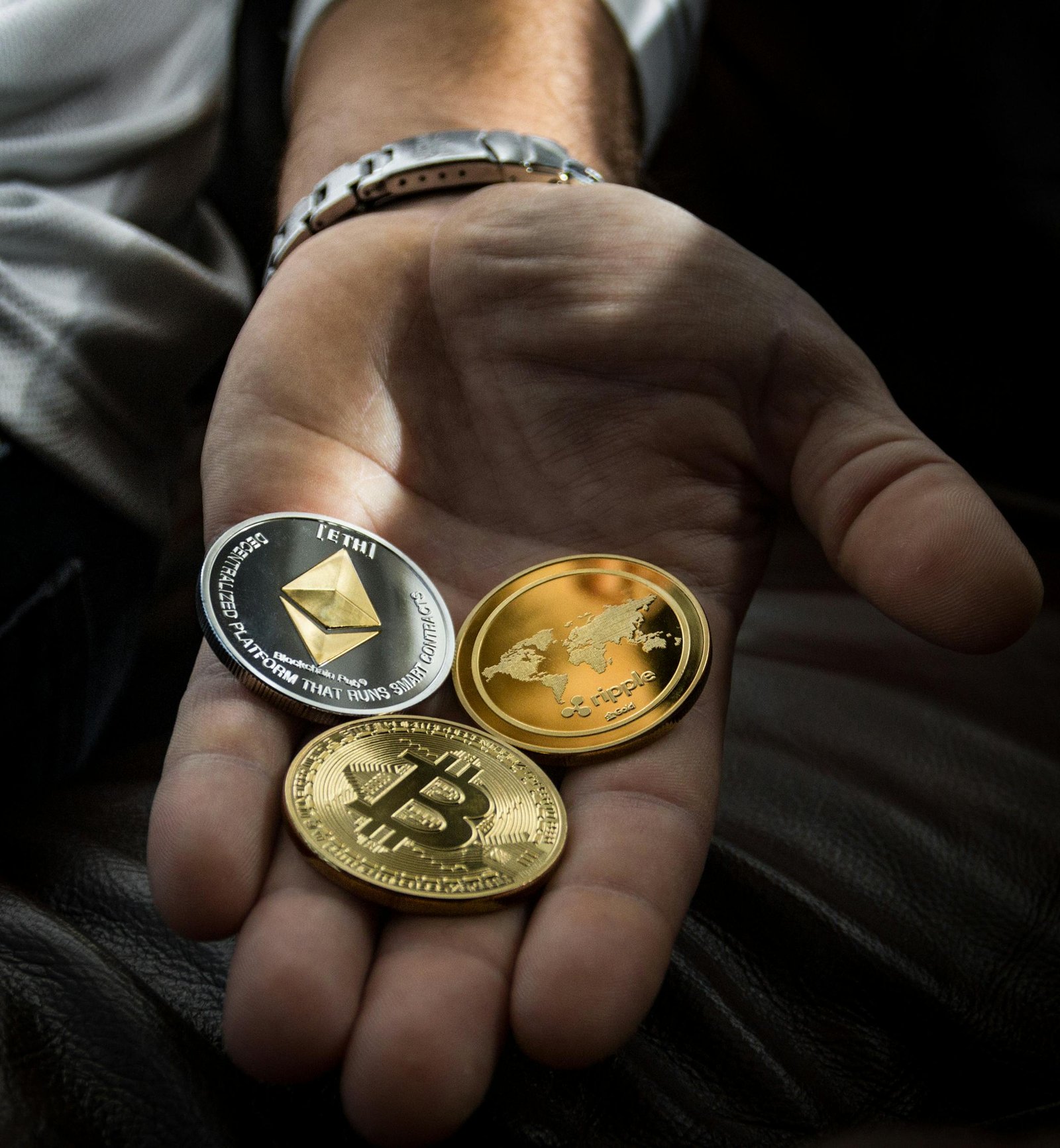
The Middle East is a region known for its rich history, diverse cultures, and complex geopolitics. In recent years, there has been a growing interest in Arab exchange-traded funds (ETFs) and the burgeoning world of cryptocurrency. These financial instruments have sparked discussions about corruption and their intersection with religious power in the region. Arab ETFs have become an attractive investment option for those looking to diversify their portfolios with exposure to Middle Eastern markets. These funds typically track a specific index, sector, or industry in countries such as Saudi Arabia, the United Arab Emirates, and Qatar. However, concerns have been raised about the transparency and governance of some of these funds, leading to accusations of corruption within the financial sector. Cryptocurrency, on the other hand, has emerged as a disruptive force in the global financial system. With its decentralized nature and promise of financial inclusion, cryptocurrencies like Bitcoin and Ethereum have gained popularity among investors and tech enthusiasts alike. In the Arab world, cryptocurrencies have presented both opportunities and challenges, as governments navigate the regulatory landscape and religious authorities weigh in on the permissibility of digital assets under Islamic law. The link between corruption and religious power in the context of Arab ETFs and cryptocurrency is a complex one. Corruption can undermine the integrity of financial markets, erode investor confidence, and hinder economic development in the region. At the same time, religious institutions play a significant role in shaping societal norms and ethical standards, which can influence how financial transactions are conducted and regulated. In some cases, religious leaders have raised concerns about the speculative nature of cryptocurrencies and the potential for exploitation in the absence of clear regulatory frameworks. On the other hand, there have been instances where religious figures themselves have been implicated in financial scandals or accused of using their influence for personal gain. As the Arab world grapples with the intersection of ETFs, cryptocurrency, corruption, and religious power, it is important for stakeholders to engage in constructive dialogue and collaboration. Efforts to enhance transparency, strengthen regulatory oversight, and promote ethical governance practices can help build a more sustainable and inclusive financial ecosystem in the region. In conclusion, the connection between Arab ETFs, cryptocurrency, corruption, and religious power highlights the complex interplay of economic, political, and ethical considerations in the Middle East. By addressing these challenges head-on and working towards greater transparency and accountability, the region can unlock the full potential of its financial markets while upholding the values of integrity and fairness. Have a look at the following website to get more information https://www.chatarabonline.com
https://egyptwn.com
https://sunpowerpanels.com
https://religieuse.org


