The Intersection of Arab Politics and Cryptocurrency: A Brief Overview
Category : Cryptocurrency History |
Sub Category : Posted on 2024-10-05 22:25:23
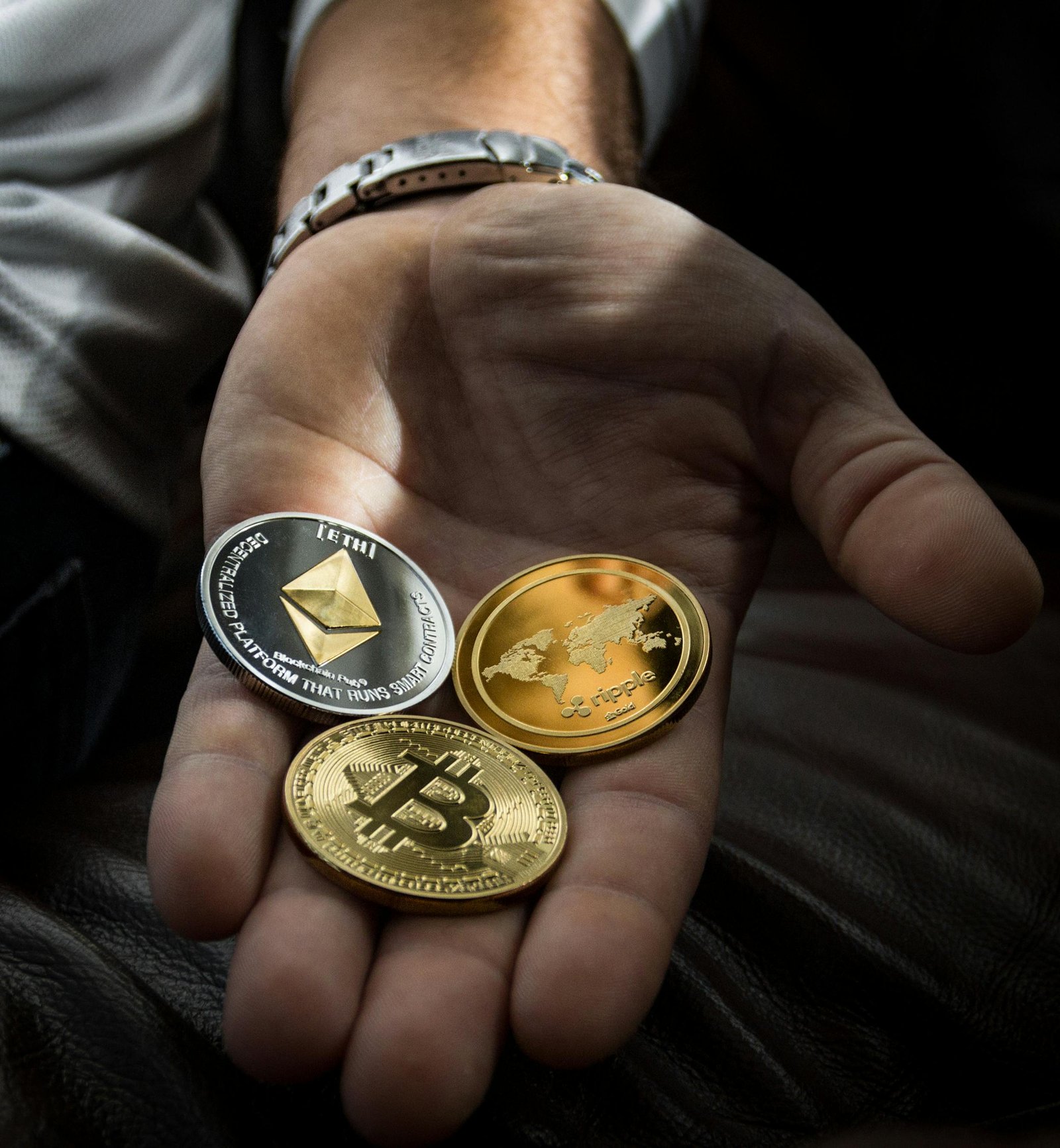
In recent years, the world of cryptocurrency has captured the attention of not only tech-savvy individuals and investors but also governments and policymakers around the globe. The Middle East, specifically the Arab region, has not been immune to this trend. As the popularity and adoption of cryptocurrencies continue to grow, their intersection with Arab politics becomes increasingly significant. One of the key reasons why cryptocurrencies have become a topic of interest in Arab politics is their potential to transform the region's economy. Countries in the Arab world, such as Saudi Arabia and the United Arab Emirates, have been exploring the possibility of using blockchain technology and digital currencies to enhance financial services, promote economic growth, and attract foreign investment. By adopting cryptocurrencies, Arab countries aim to diversify their economies, reduce overreliance on oil revenues, and drive innovation in the financial sector. Moreover, the decentralized nature of cryptocurrencies offers a degree of financial independence and sovereignty that appeals to some Arab nations. In a region where political stability is often fragile and external interference is common, the idea of a currency that is not controlled by any central authority can be attractive. Cryptocurrencies also have the potential to increase financial inclusion by providing unbanked populations with access to banking services and enabling cross-border transactions with lower fees. However, the intersection of Arab politics and cryptocurrency is not without challenges. Regulatory uncertainty, security concerns, and the potential for misuse in illicit activities are some of the issues that Arab governments must navigate when considering the adoption of cryptocurrencies. Additionally, the volatility of the cryptocurrency market poses risks for both individual investors and national economies. Despite these challenges, the Arab world's interest in cryptocurrencies continues to grow, with several countries exploring the possibility of launching their own digital currencies or implementing blockchain-based solutions in various sectors. As the global discourse around cryptocurrencies evolves, it is likely that their role in Arab politics will become even more pronounced in the years to come. In conclusion, the intersection of Arab politics and cryptocurrency presents both opportunities and challenges for the region. While cryptocurrencies have the potential to revolutionize the Arab economy and increase financial inclusion, careful consideration and regulation are needed to ensure their responsible adoption. As Arab countries continue to explore the benefits of blockchain technology and digital currencies, the impact of cryptocurrencies on the region's political and economic landscape is a topic worth watching. For expert commentary, delve into https://www.cotidiano.org Seeking more information? The following has you covered. https://www.topico.net You can also Have a visit at https://www.chatarabonline.com To expand your knowledge, I recommend: https://www.enemigo.org
https://egyptwn.com


