Artificial Intelligence, ETFs, and Cryptocurrency: The Future of Diplomacy
Category : Cryptocurrency History |
Sub Category : Posted on 2024-10-05 22:25:23
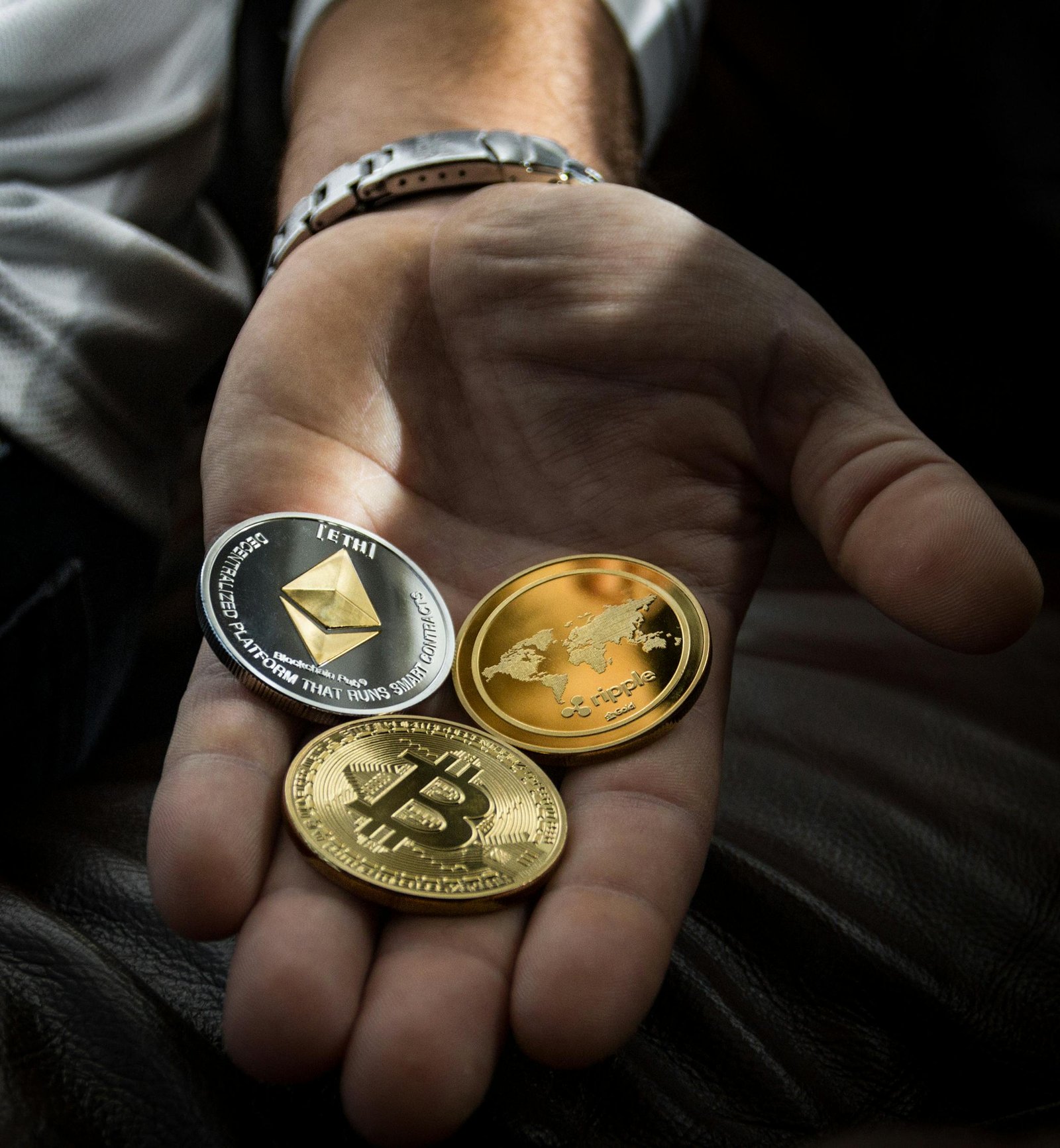
In today's fast-paced world, the intersection of artificial intelligence (AI), exchange-traded funds (ETFs), and cryptocurrency is reshaping the landscape of diplomacy. As nations seek to navigate global challenges and foster relationships on the international stage, these technologies are becoming increasingly important tools for diplomatic efforts. AI is revolutionizing the way governments analyze data, make decisions, and engage in diplomacy. By leveraging AI algorithms, diplomats can process vast amounts of information quickly and accurately, helping them identify trends, assess risks, and formulate strategic responses. AI-powered tools can also enhance cross-cultural communication by providing real-time translation services, enabling diplomats to engage with foreign counterparts more effectively. ETFs have emerged as a popular investment vehicle that allows individuals and institutions to gain exposure to diversified portfolios of assets, including stocks, bonds, and commodities. In the realm of diplomacy, ETFs can play a significant role in economic diplomacy by promoting foreign investment and trade. By investing in ETFs that track the performance of foreign markets, governments can signal their support for international cooperation and economic growth. Cryptocurrency, on the other hand, represents a disruptive force that is challenging traditional notions of finance and commerce. As digital assets like Bitcoin and Ethereum gain mainstream acceptance, governments are grappling with how to regulate and incorporate cryptocurrencies into their diplomatic strategies. Some countries are exploring the potential of issuing their own digital currencies to facilitate cross-border transactions and enhance financial inclusion. The convergence of AI, ETFs, and cryptocurrency is creating new opportunities for diplomatic engagement and collaboration. By harnessing the power of these technologies, governments can enhance their diplomatic capabilities, promote economic development, and foster international cooperation. As diplomacy continues to evolve in the digital age, policymakers must adapt to these technological advancements to effectively address the complex challenges of the 21st century. for more https://www.computacion.org


