Blockchain ETFs and Cryptocurrency: Exploring Contradictions
Category : Cryptocurrency History |
Sub Category : Posted on 2024-10-05 22:25:23
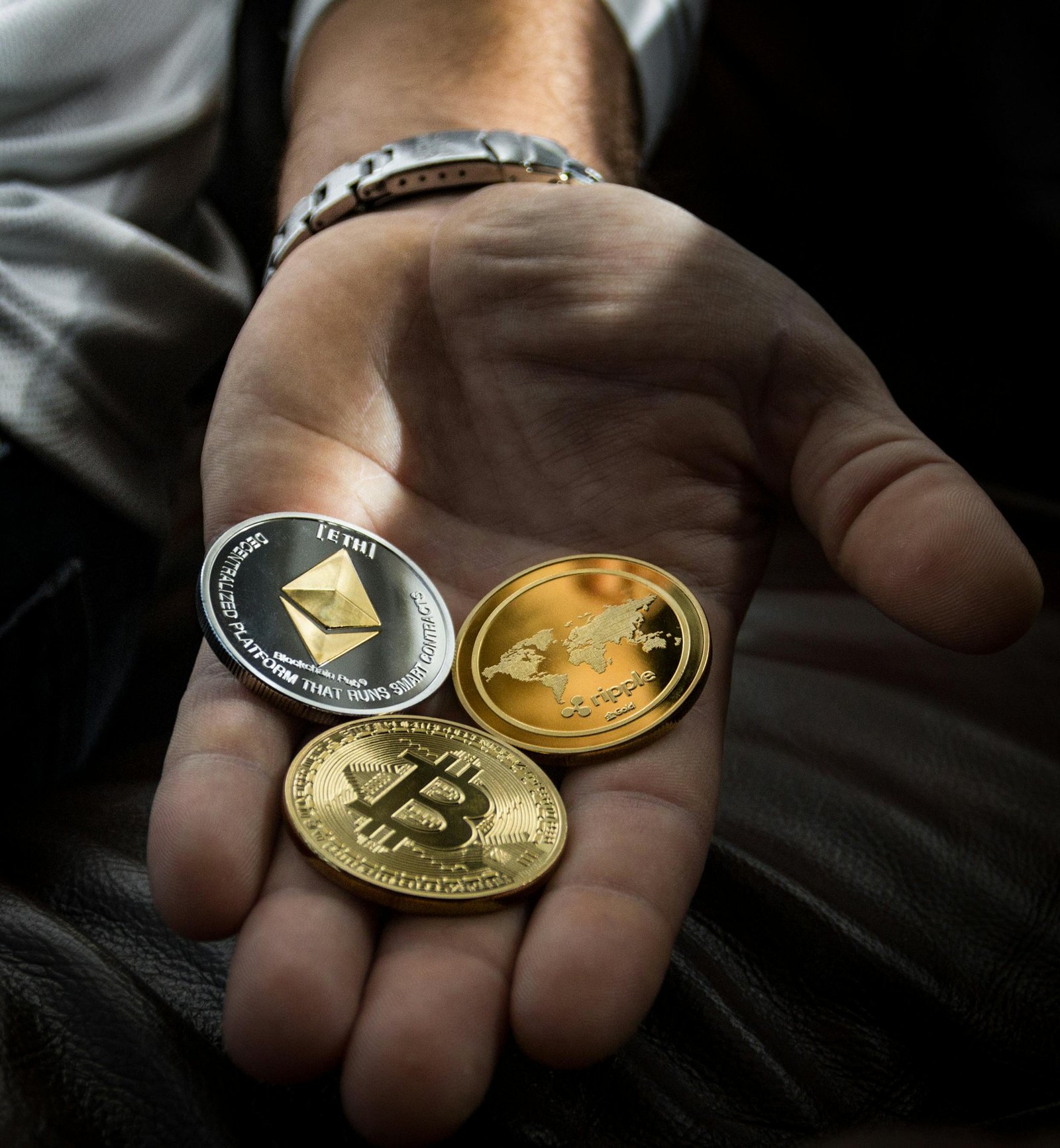
In the world of finance, there is a growing interest in both Blockchain exchange-traded funds (ETFs) and cryptocurrencies. While these two investment options may seem related at first glance, a closer examination reveals some contradictions that investors should be aware of. First, let's clarify what blockchain ETFs and cryptocurrencies are. Blockchain ETFs are investment funds that track the performance of companies involved in blockchain technology. These funds provide investors with exposure to the potential growth of the blockchain industry without directly investing in individual blockchain companies. On the other hand, cryptocurrencies are digital assets that utilize blockchain technology to enable secure, decentralized transactions. The most well-known Cryptocurrency is Bitcoin, but there are thousands of other cryptocurrencies in existence, each with its own unique features and use cases. One of the key contradictions between blockchain ETFs and cryptocurrencies lies in their underlying assets. While blockchain ETFs invest in companies that are leveraging blockchain technology, cryptocurrencies are standalone digital assets that do not represent ownership in any company or entity. This fundamental difference can affect the risk and return profiles of these investments. Another contradiction is related to regulation. Blockchain ETFs are subject to regulatory oversight by financial authorities, which helps provide a level of investor protection and transparency. Cryptocurrencies, on the other hand, operate in a relatively unregulated environment, which can expose investors to higher levels of risk, volatility, and potential fraud. Furthermore, the volatility of cryptocurrencies is another point of contrast with blockchain ETFs. Cryptocurrency prices can experience extreme fluctuations in short periods, leading to both significant gains and losses for investors. In contrast, blockchain ETFs may offer more stable returns over time, reflecting the performance of the companies in the blockchain industry. Despite these contradictions, some investors may see value in diversifying their portfolios with both blockchain ETFs and cryptocurrencies. By combining exposure to blockchain technology through ETFs with the potential growth opportunities of cryptocurrencies, investors can take advantage of different investment strategies and risk profiles. In conclusion, while blockchain ETFs and cryptocurrencies share a connection through blockchain technology, there are notable contradictions between these investment options. Understanding these differences is essential for investors looking to navigate the evolving landscape of digital assets and blockchain investments. By staying informed and diversifying their portfolios thoughtfully, investors can position themselves to capitalize on the opportunities presented by both blockchain ETFs and cryptocurrencies.


