The Intersection of Blockchain ETF and Cryptocurrency in Diplomacy
Category : Cryptocurrency History |
Sub Category : Posted on 2024-10-05 22:25:23
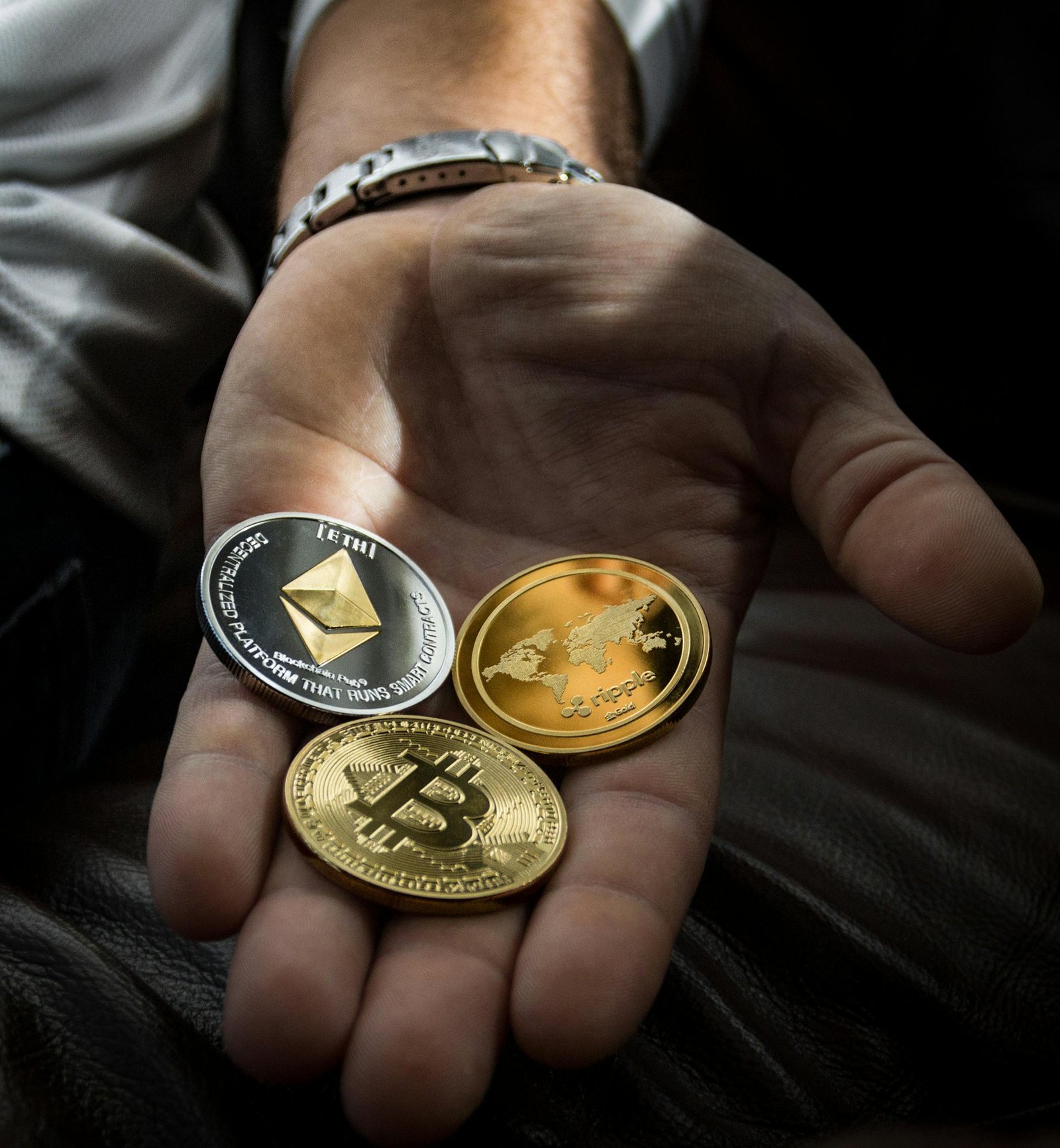
In today's increasingly digital world, the intersection of blockchain ETFs (Exchange-Traded Funds) and cryptocurrency plays a significant role in shaping diplomatic relations between countries. Blockchain technology has revolutionized various industries by providing a secure and transparent way to conduct transactions, while cryptocurrencies offer a new form of digital currency that is independent of central banks. With the rise of these technologies, governments around the world are looking to leverage their potential in diplomacy and international relations. Blockchain-based ETFs have emerged as a popular investment option for those looking to capitalize on the growth of blockchain technology. These funds allow investors to gain exposure to a diversified portfolio of companies that are involved in the development and implementation of blockchain solutions. By investing in Blockchain ETFs, individuals and institutions can support the advancement of blockchain technology and contribute to its adoption on a global scale. On the other hand, cryptocurrencies like Bitcoin and Ethereum have also gained significant attention in diplomatic circles. Some countries have embraced cryptocurrencies as a means of payment and investment, while others have expressed skepticism and even banned their use. The volatility and regulatory challenges associated with cryptocurrencies have sparked debates among policymakers about how to approach this emerging asset class. In the realm of diplomacy, Blockchain ETFs and cryptocurrencies have the potential to facilitate cross-border transactions, improve transparency in international trade, and enhance diplomatic relations between countries. For instance, blockchain technology can be used to establish secure and tamper-proof diplomatic communications, streamline customs procedures, and prevent fraud in international aid distribution. Cryptocurrencies, on the other hand, can facilitate remittances and cross-border payments, reducing the costs and time associated with traditional banking systems. However, challenges remain in the integration of Blockchain ETFs and cryptocurrencies into diplomatic and foreign policy initiatives. Concerns around security, regulation, and privacy must be addressed to ensure the safe and responsible use of these technologies in international relations. Governments also need to collaborate with industry stakeholders to develop standards and best practices for the adoption of blockchain and cryptocurrencies in diplomacy. In conclusion, the intersection of Blockchain ETFs and cryptocurrency in diplomacy presents both opportunities and challenges for governments and international organizations. By embracing these technologies responsibly, countries can enhance their diplomatic efforts, promote economic growth, and foster innovation on a global scale. As the world continues to navigate the digital landscape, harnessing the power of blockchain and cryptocurrencies will be essential in shaping the future of international relations.


