Navigating the Intersection of Blockchain Games, ETFs, Cryptocurrency, and Inventory Management
Category : Cryptocurrency History |
Sub Category : Posted on 2024-10-05 22:25:23
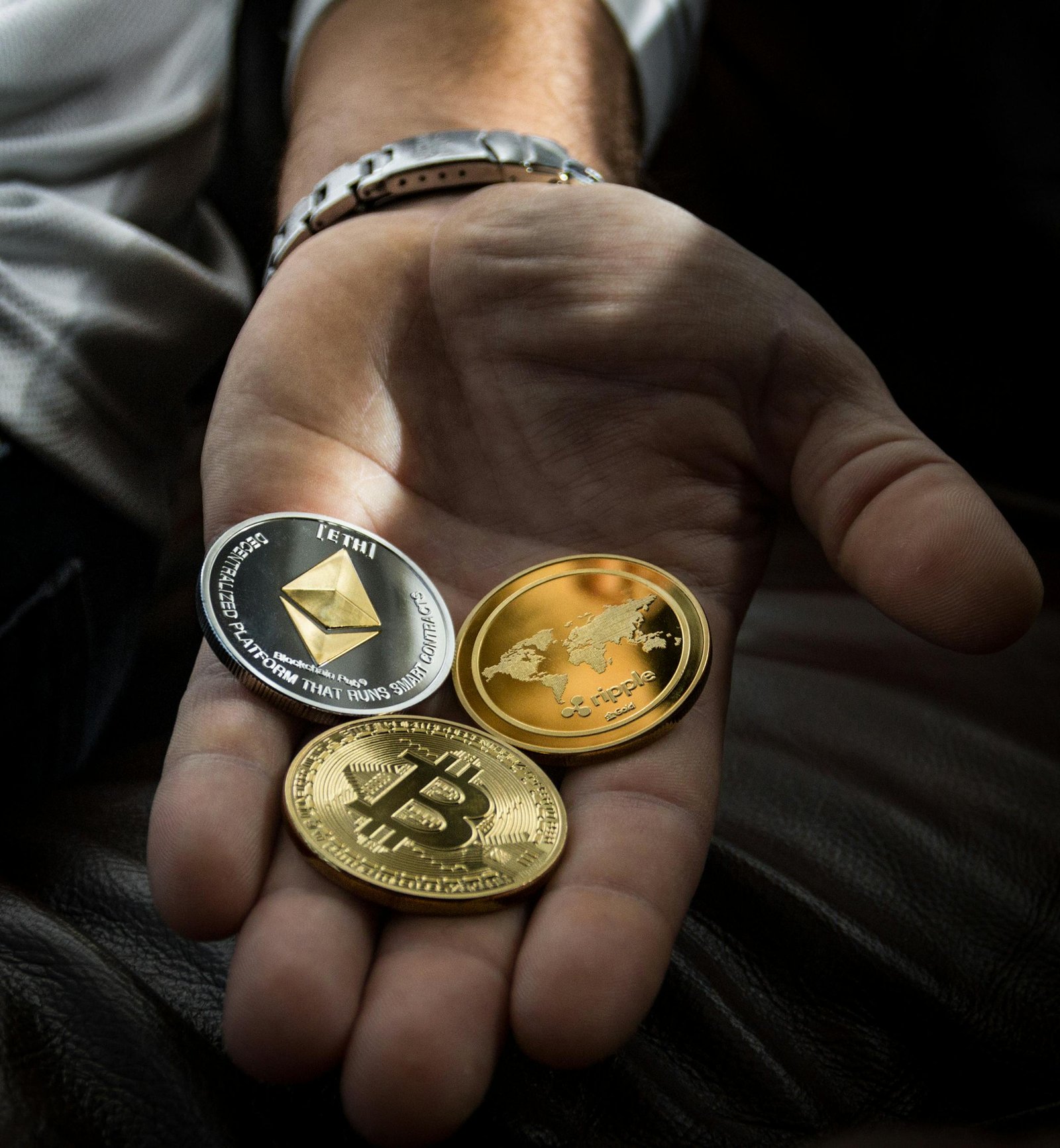
In recent years, the popularity of blockchain-based games has been soaring, attracting a vibrant community of gamers, developers, and investors. At the same time, the world of finance has seen the rise of Exchange-Traded Funds (ETFs) and the growing adoption of cryptocurrencies. The convergence of these trends presents unique opportunities and challenges, especially when it comes to inventory management within the digital ecosystem. Blockchain games, which utilize decentralized ledger technology to create unique in-game assets, have captured the imagination of players around the world. These assets, often called non-fungible tokens (NFTs), provide players with true ownership and scarcity of virtual items, setting the stage for a new era of gaming economics. As the blockchain games community thrives, investors are looking for ways to participate in this growing sector. This is where ETFs and cryptocurrency come into play. ETFs offer a convenient way for individuals to gain exposure to a diversified portfolio of blockchain and gaming-related assets, providing a passive investment vehicle for those interested in the space. Meanwhile, cryptocurrencies like Bitcoin and Ethereum are being used within blockchain games as a means of exchange and value transfer. Players can buy, sell, and trade in-game assets using digital currencies, creating a seamless gaming experience that blurs the lines between virtual and real-world economies. However, the dynamic nature of blockchain games, ETFs, and cryptocurrencies poses a significant challenge when it comes to inventory management. With a wide array of digital assets to track and manage, players, investors, and developers need robust systems in place to keep tabs on their holdings effectively. One solution to this challenge is the integration of blockchain technology into inventory management systems. By leveraging the transparent and immutable nature of blockchain, stakeholders can ensure the accurate tracking of digital assets, prevent fraud and duplication, and streamline transactions across the gaming ecosystem. Moreover, the use of smart contracts – self-executing contracts with the terms of the agreement directly written into code – can automate inventory management processes, such as asset transfers and sales, reducing the risk of errors and enhancing operational efficiency. In conclusion, the intersection of blockchain games, ETFs, cryptocurrencies, and inventory management represents a fascinating frontier in the digital economy. By embracing innovative technologies and best practices, stakeholders can navigate this rapidly evolving landscape with confidence, unlocking new opportunities for growth, collaboration, and value creation. As the blockchain games community continues to expand and evolve, the role of inventory management will become increasingly crucial in maximizing the potential of digital assets and ensuring a seamless user experience for all participants. By staying informed and proactive, stakeholders can position themselves for success in this exciting and dynamic ecosystem.


