Exploring the Intersection of Blockchain Games, ETFs, Cryptocurrency, and Conflicts in History
Category : Cryptocurrency History |
Sub Category : Posted on 2024-10-05 22:25:23
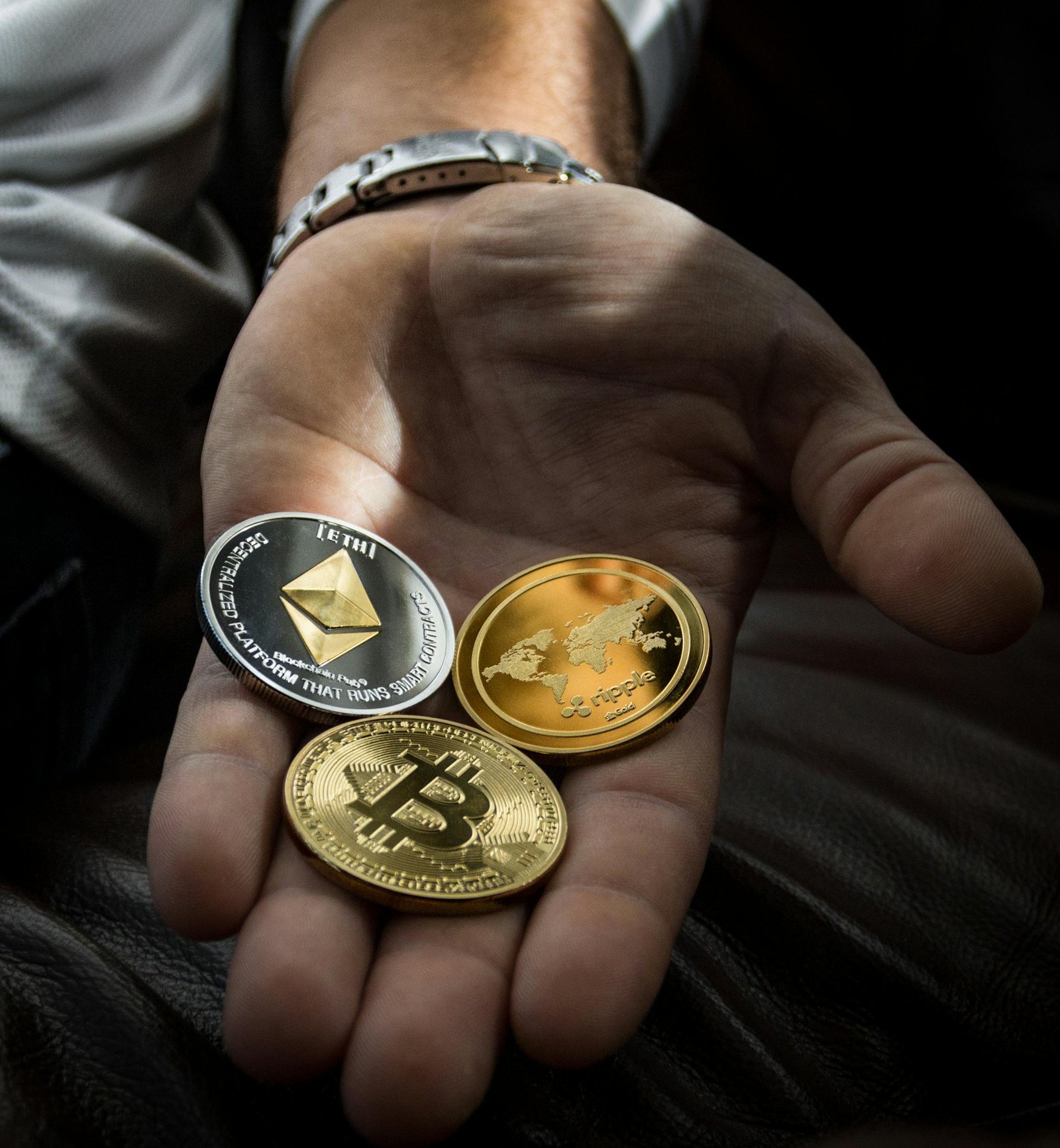
In recent years, Blockchain technology has expanded its reach beyond Cryptocurrency to enter new frontiers, such as the gaming industry. Blockchain games, which are decentralized applications built on blockchain technology, offer unique gameplay and ownership experiences for players. Meanwhile, the rise of exchange-traded funds (ETFs) has provided investors with diversified exposure to various asset classes, including cryptocurrencies. However, the combination of blockchain games, ETFs, and cryptocurrency has not been without its conflicts, mirroring historical clashes that have shaped our world. Blockchain games have gained popularity due to their transparent and secure nature. Players can truly own in-game assets and trade them on the blockchain, providing a new level of ownership and value. As more blockchain games emerge, the demand for interoperability and cross-game assets has increased, leading to the development of platforms that enable seamless asset transfers between different games. On the other hand, ETFs have become a popular investment vehicle for those looking to gain exposure to the cryptocurrency market without directly holding digital assets. Cryptocurrency ETFs track the performance of various cryptocurrencies or blockchain-related companies, allowing investors to diversify their portfolios and reduce risk. This has sparked debates within the cryptocurrency community, with some purists arguing that ETFs undermine the decentralization and ethos of cryptocurrencies. The conflicts arising from the intersection of blockchain games, ETFs, and cryptocurrency echo historical struggles for power, control, and innovation. Throughout history, new technologies have often disrupted existing power structures and led to conflicts among different stakeholders. From the industrial revolution to the internet age, innovation has been met with resistance from established institutions seeking to maintain their dominance. In the context of blockchain games, conflicts may arise between traditional game publishers and decentralized platforms that offer players more autonomy and ownership. Similarly, ETFs face opposition from regulators and traditional financial institutions who fear the impact of these new investment products on the stability of the market. Cryptocurrency itself has been at the center of numerous conflicts, as governments and financial institutions grapple with its disruptive potential and regulatory challenges. As we navigate the complex landscape of blockchain games, ETFs, cryptocurrency, and conflicts in history, it is essential to recognize the transformative power of technology and the need for open dialogue and collaboration. By acknowledging the lessons of the past and embracing innovation, we can build a more inclusive and resilient future where blockchain technology serves as a bridge between diverse industries and communities. In conclusion, the intersection of blockchain games, ETFs, cryptocurrency, and conflicts in history offers a rich tapestry of opportunities and challenges. By embracing the potential for collaboration and learning from historical conflicts, we can navigate this evolving landscape with curiosity and openness, paving the way for a more interconnected and innovative future.


