Navigating Contradictions in Blockchain Games and Cryptocurrency ETFs
Category : Cryptocurrency History |
Sub Category : Posted on 2024-10-05 22:25:23
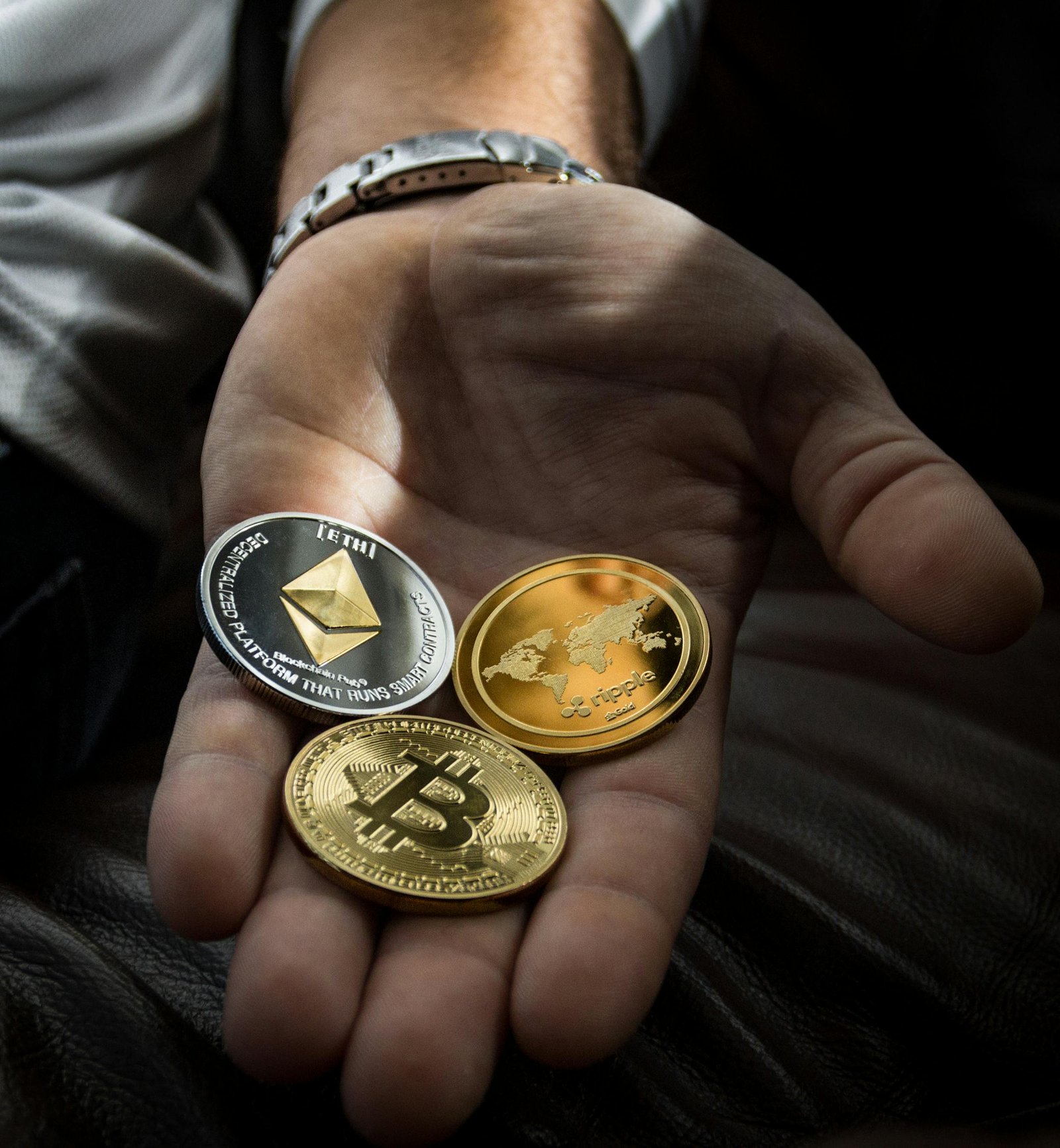
cryptocurrency exchange-traded funds (ETFs) have been gaining popularity in recent years as a convenient way for investors to gain exposure to the digital asset market. Simultaneously, blockchain games have emerged as a promising application of blockchain technology, combining digital ownership and decentralized gameplay. However, the relationship between these two burgeoning sectors is not without its contradictions. On one hand, ETFs provide a regulated and secure way for traditional investors to enter the cryptocurrency market. By investing in a diversified portfolio of digital assets through an ETF, investors can benefit from potential growth while mitigating risks associated with individual token investments. This accessibility and diversification offer a sense of stability and legitimacy to the often volatile and speculative world of cryptocurrencies. On the other hand, blockchain games operate on decentralized platforms where in-game assets are tokenized and can be traded or exchanged on the blockchain. This introduces a new dimension to gaming, where players truly own and have control over their virtual assets. The use of non-fungible tokens (NFTs) in blockchain games has created a lucrative market for digital collectibles and in-game items, with some players earning substantial profits by trading these assets. The contradiction arises from the different approaches to ownership and value in these two sectors. While ETFs are based on the traditional financial concept of owning shares in a fund that represents a basket of assets, blockchain games offer ownership of unique digital assets that can have intrinsic value within the game ecosystem. This distinction raises questions about the compatibility of these two investment options and how they fit within a broader investment strategy. Furthermore, the regulatory landscape surrounding ETFs and blockchain games is still evolving, with different jurisdictions taking varying approaches to these emerging markets. ETFs are subject to securities regulations and oversight by financial authorities, providing a level of investor protection and transparency. In contrast, blockchain games operate in a more decentralized and unregulated environment, where the lines between gaming, investing, and trading can blur. Despite these contradictions, there is potential for synergy between blockchain games and cryptocurrency ETFs. As blockchain technology continues to disrupt traditional industries, there may be opportunities to integrate gaming elements into ETF platforms or incorporate blockchain-based assets into game economies. This convergence could open up new investment opportunities and creative ways for users to engage with digital assets. In conclusion, navigating the contradictions between blockchain games and cryptocurrency ETFs requires a nuanced understanding of the unique characteristics and challenges of each sector. By recognizing the divergent approaches to ownership, value, and regulation, investors can explore the potential benefits and risks of these evolving markets. As the intersection of finance and technology continues to evolve, staying informed and adaptable will be key to unlocking the full potential of blockchain games and cryptocurrency ETFs. Seeking in-depth analysis? The following is a must-read. https://www.topico.net


