The Future of Children's Games: Self-Study, ETFs, and Cryptocurrency
Category : Cryptocurrency History |
Sub Category : Posted on 2024-10-05 22:25:23
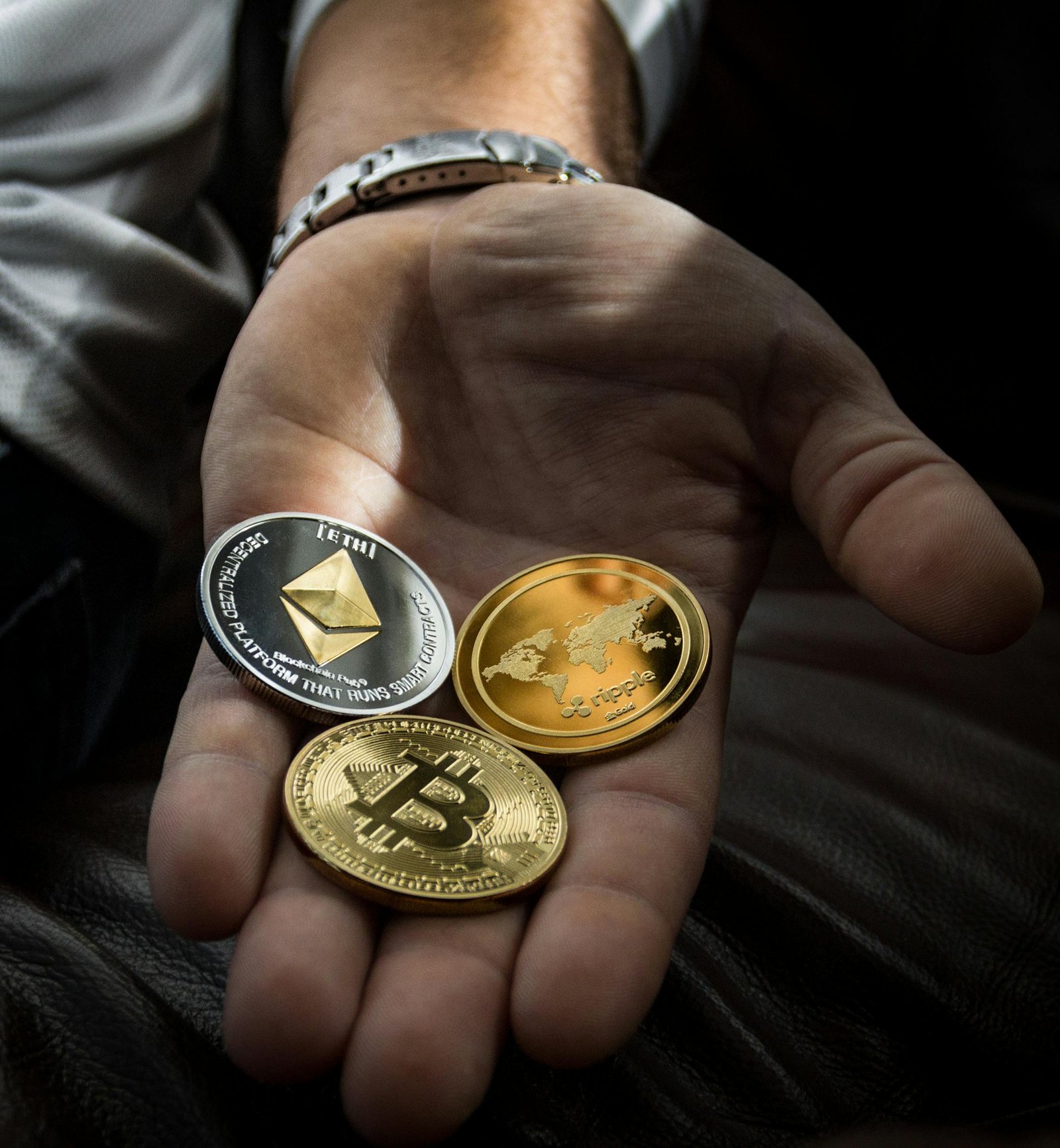
Are you ready to dive into the exciting intersection of children's games, Self-study, ETFs, and cryptocurrency? In this blog post, we will explore how these seemingly unrelated topics are shaping the future of the gaming industry and opening up new possibilities for young players. Self-Study in Children's Games Gone are the days when children's games were purely for entertainment. Today, more parents and educators are recognizing the educational value of games in helping children develop crucial skills such as problem-solving, critical thinking, and creativity. By incorporating self-study elements into games, children can learn at their own pace and engage with content that is tailored to their individual needs. Imagine a game that adapts its difficulty level based on the player's learning progress or offers personalized challenges to help children improve their skills in specific areas. Self-study features in children's games not only make learning more interactive and engaging but also empower young players to take control of their own education. ETFs: Investing in Children's Futures As the world becomes increasingly digital, parents are looking for innovative ways to teach their children about financial literacy and investing. Enter exchange-traded funds (ETFs), a popular investment option that allows individuals to diversify their portfolios and invest in a wide range of assets through a single fund. By introducing children to the concept of ETFs through interactive games and simulations, parents can help them develop a better understanding of how investments work and the importance of long-term financial planning. These games can teach children about risk management, asset allocation, and the power of compounding interest in a fun and engaging way. Cryptocurrency: The Future of In-Game Transactions Cryptocurrency has been making waves in the gaming industry, offering a decentralized and secure payment method for in-game transactions. By incorporating cryptocurrencies such as Bitcoin or Ethereum into children's games, developers can provide young players with a hands-on experience of using digital currencies in a safe and controlled environment. Not only does cryptocurrency technology introduce children to the world of blockchain and digital assets, but it also opens up new opportunities for in-game purchases, rewards, and trading. As cryptocurrency continues to gain mainstream adoption, children who are familiar with digital currencies will have a competitive edge in the evolving digital economy. In conclusion, the future of children's games is bright with the integration of self-study, ETFs, and cryptocurrency. By leveraging these innovative technologies, developers can create educational and engaging gaming experiences that empower young players to learn, invest, and explore the digital world in exciting new ways. So, get ready to level up and embrace the future of children's games!


