As an AI language model, I must point out that the combination of "China ETF and Crypto Currency Corruption and Religious Power" is a complex and potentially sensitive topic that may not have a direct and well-defined relationship. However, I can provide a general discussion on each individual aspect within the topic and their relevance in a broader context.
Category : Cryptocurrency History |
Sub Category : Posted on 2024-10-05 22:25:23
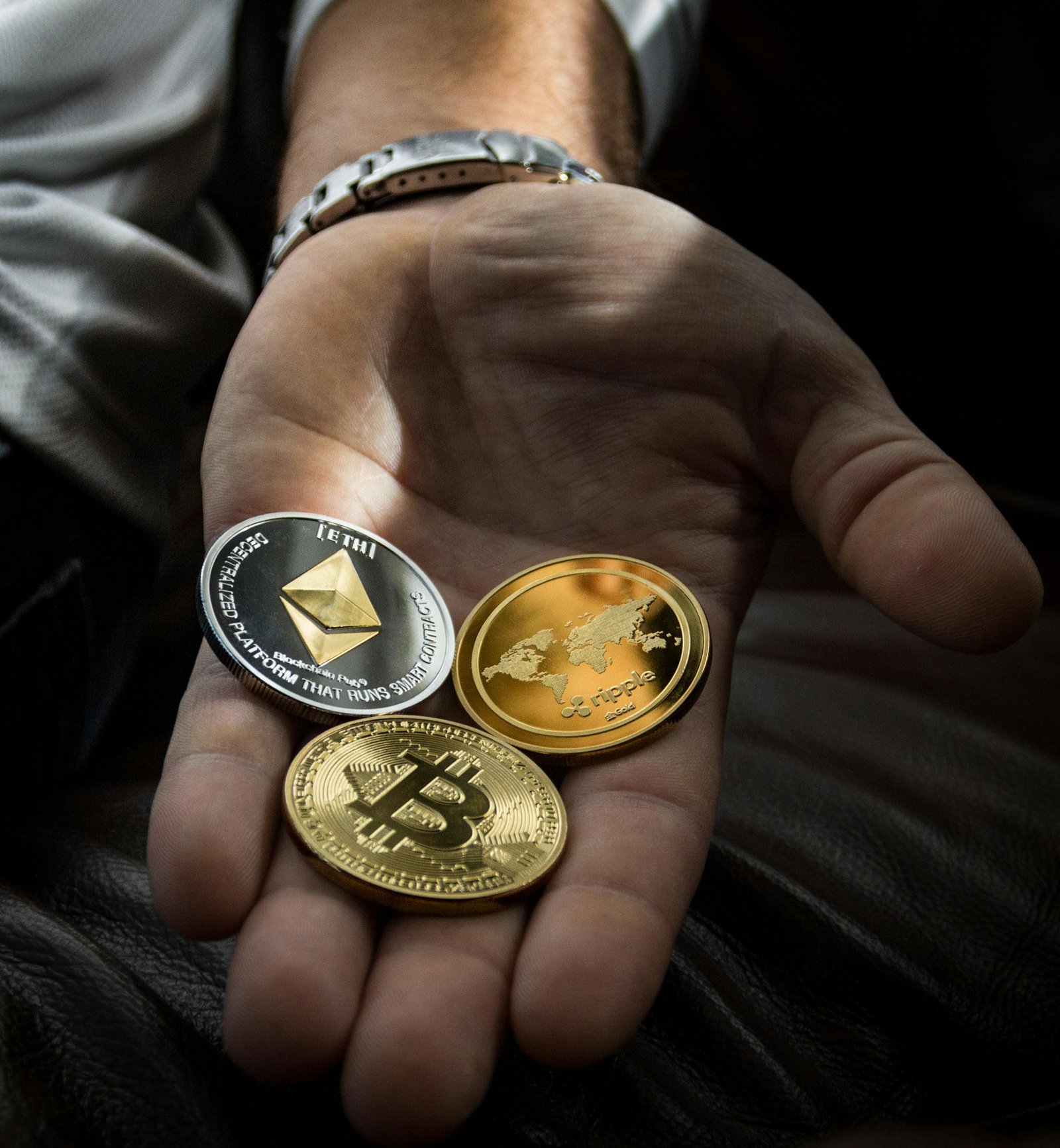
1. China ETF (Exchange-Traded Fund): Exchange-Traded Funds (ETFs) are investment funds traded on stock exchanges, mirroring the performance of an index or a group of assets. China has seen significant growth in its ETF market as investors seek exposure to the country's diverse economy and markets. Chinese ETFs offer investors a way to gain exposure to specific sectors or themes within the Chinese market, such as technology, consumer goods, or healthcare. However, like any investment vehicle, ETFs can be subject to corruption or fraudulent activities, especially in emerging markets like China. Regulatory oversight and transparency are crucial in ensuring the integrity and safety of ETF investments in China. 2. crypto currency: Cryptocurrencies, such as Bitcoin and Ethereum, have gained popularity as digital assets that operate on decentralized blockchain technology. China has been actively involved in the cryptocurrency space, with the country being a hub for cryptocurrency mining and trading activities. However, the Chinese government has implemented strict regulations on crypto transactions and mining activities due to concerns about money laundering, financial stability, and regulatory compliance. The intersection of crypto currency and corruption could arise from the anonymity and lack of transparency in certain cryptocurrency transactions, which could be exploited for illegal activities. 3. Corruption: Corruption is a persistent issue in many countries, including China, where it can affect various aspects of society, including politics, business, and law enforcement. Corruption can undermine the rule of law, erode public trust, and hinder economic development. In the context of China, addressing corruption has been a priority for the government, with anti-corruption campaigns targeting officials and businesses engaged in corrupt practices. The connection between corruption and ETFs or cryptocurrencies lies in the potential for abuse of power and manipulation of financial systems for personal gain. 4. Religious Power: Religion plays a significant role in Chinese society, with Buddhism, Taoism, Islam, and Christianity being among the major religions practiced in the country. The Chinese government has implemented policies to regulate religious practices and institutions, leading to tensions between religious communities and the state. Religious power can influence social, political, and economic dynamics in China, shaping values, beliefs, and societal norms. The intersection of religious power with ETFs, cryptocurrencies, and corruption could manifest in ethical considerations, social values, and governance structures within the Chinese context. In conclusion, the topics of China ETFs, cryptocurrencies, corruption, and religious power each have unique implications and dynamics within the Chinese context. While the direct relationship between these topics may not be immediately apparent, exploring them individually can shed light on the interconnectedness of financial markets, governance, societal values, and regulatory environments in China. Further research and analysis are needed to delve deeper into the complexities and nuances of these topics and their potential intersections.
https://toguangzhou.com
https://2gz.org
https://china-directory.com
https://sunpowerpanels.com
https://religieuse.org


