Navigating China's Hyperinflation with ETFs and Cryptocurrencies
Category : Cryptocurrency History |
Sub Category : Posted on 2024-10-05 22:25:23
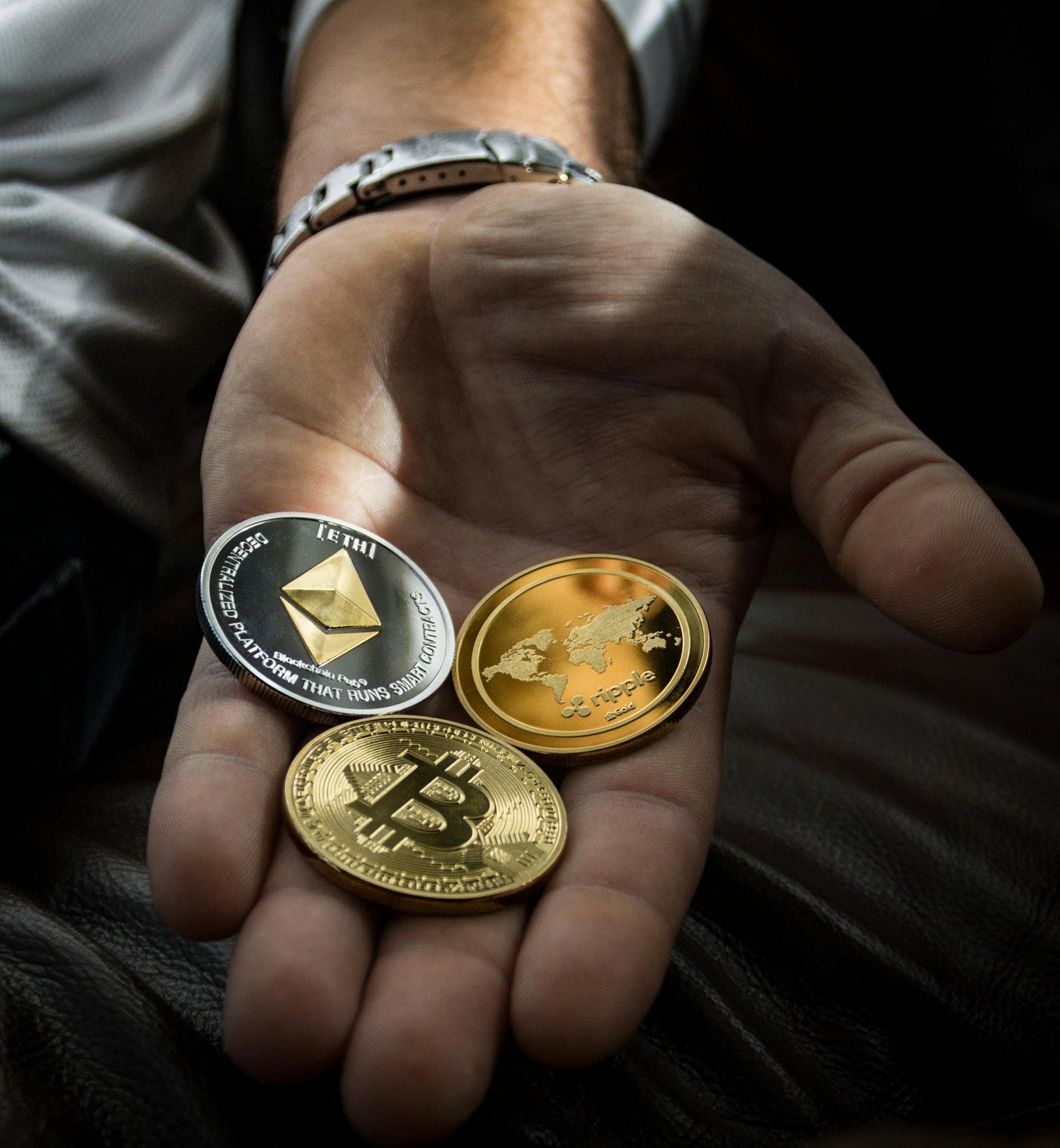
In recent years, China has faced challenges with rising inflation rates, causing concerns among investors and the general population. hyperinflation, the rapid and excessive increase in prices of goods and services, can erode the value of a country's currency and destabilize the economy. In times like these, investors often seek alternative investment options to protect their wealth and hedge against the effects of hyperinflation. Two popular options that investors in China are turning to are Exchange-Traded Funds (ETFs) and cryptocurrencies. ETFs are investment funds that are traded on stock exchanges, similar to individual stocks. They offer investors a way to diversify their portfolios and gain exposure to a specific sector, asset class, or market index. In the context of hyperinflation in China, investors may consider ETFs that track commodities such as gold, silver, or other precious metals. These assets have historically served as safe-havens during times of economic uncertainty and inflation, preserving the value of investors' capital. On the other hand, cryptocurrencies have emerged as a decentralized digital asset class that operates independently of traditional financial institutions and central banks. In a hyperinflationary environment, some investors view cryptocurrencies like Bitcoin as a store of value that can protect against the devaluation of fiat currencies. While cryptocurrencies can be highly volatile, they offer the potential for significant returns and provide a hedge against inflationary pressures. Investors in China can gain exposure to both ETFs and cryptocurrencies through various platforms and exchanges. It is essential for investors to conduct thorough research and assess their risk tolerance before allocating capital to these asset classes. Additionally, seeking advice from financial professionals can help investors navigate the complex landscape of hyperinflation and make informed investment decisions. In conclusion, China's hyperinflation presents challenges and opportunities for investors seeking to preserve and grow their wealth. By exploring investment options such as ETFs and cryptocurrencies, investors can diversify their portfolios and hedge against the effects of inflation. As the financial markets continue to evolve, staying informed and proactive in managing investments will be crucial for navigating uncertain economic conditions.
https://toguangzhou.com
https://2gz.org
https://china-directory.com


