The Chinese language, ETFs, and cryptocurrency have all played significant roles in shaping history, each with its unique conflicts and implications. Let's delve into the deep-rooted connections and complexities surrounding these elements.
Category : Cryptocurrency History |
Sub Category : Posted on 2024-10-05 22:25:23
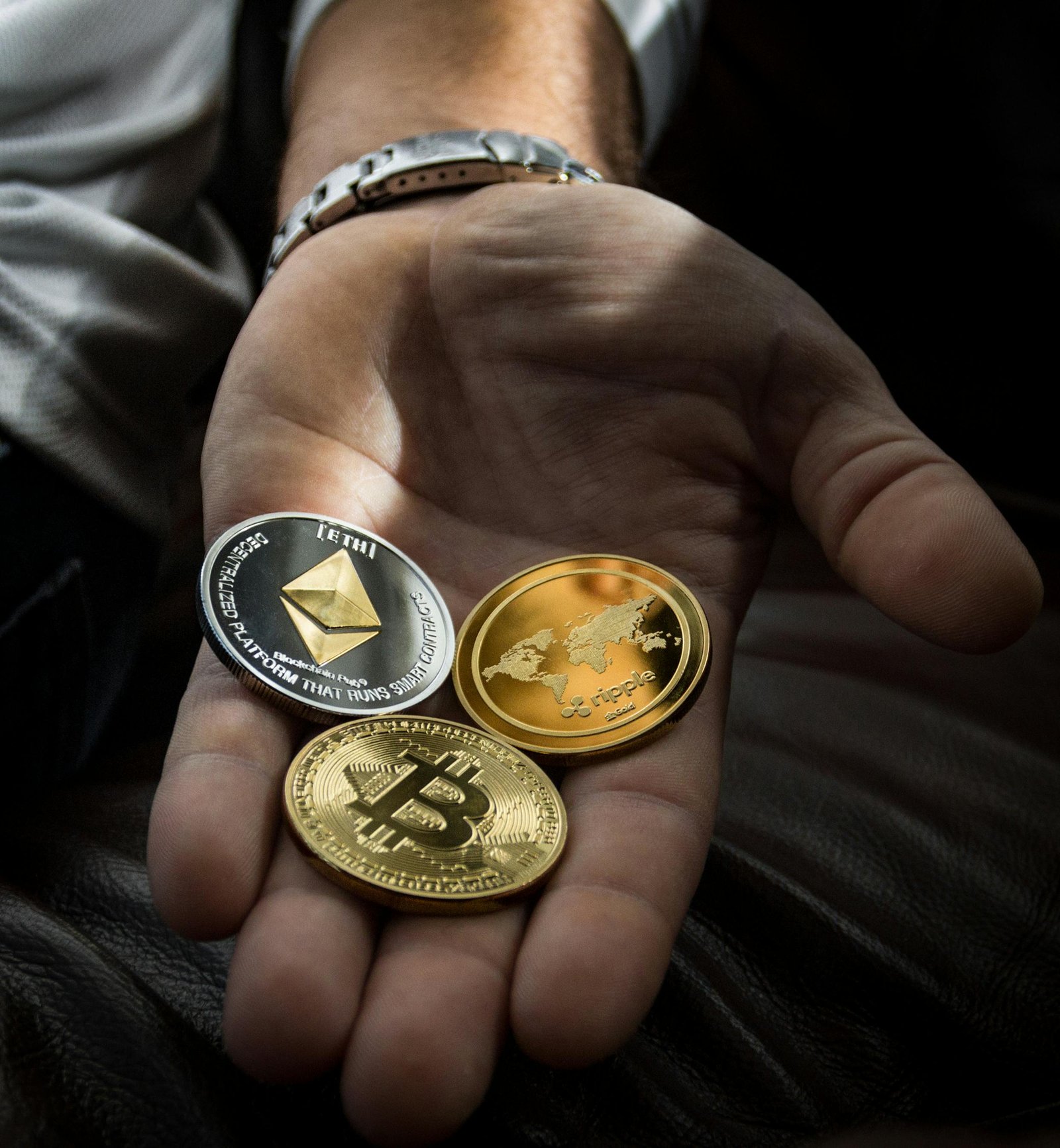
Chinese language: The Chinese language is one of the oldest and most complex languages in the world, with a rich history of over 3,000 years. It has evolved through various dynasties and cultural shifts, giving rise to multiple dialects such as Mandarin, Cantonese, and Wu. The written form of Chinese characters has been a unifying force among different regions within China and beyond, fostering a sense of cultural identity and heritage. ETFs (Exchange-Traded Funds): ETFs have revolutionized the investment landscape by offering a diversified portfolio of assets that can be traded on stock exchanges. They have provided investors with access to a wide range of industries and markets, offering both stability and growth potential. ETFs have become popular among individual and institutional investors seeking to diversify their portfolios and minimize risks. cryptocurrency: Cryptocurrency, led by Bitcoin, has disrupted traditional financial systems by introducing decentralized and digital forms of currency. Blockchain technology underpins cryptocurrencies, ensuring secure and transparent transactions without the need for intermediaries. While some view cryptocurrencies as a revolutionary and efficient means of transferring value, others raise concerns about their volatility, security risks, and regulatory challenges. Conflicts in History: Throughout history, conflicts related to language, finance, and technology have shaped societies and influenced geopolitical dynamics. In China, linguistic diversity has at times led to tensions between different regions and ethnic groups, fueling debates over cultural preservation and standardization. The rise of ETFs has sparked debates over market manipulation, transparency, and regulatory oversight, as seen in the aftermath of the global financial crisis. Similarly, the emergence of cryptocurrencies has given rise to debates over regulatory frameworks, financial stability, and the future of money. Despite their distinct features and roles, the Chinese language, ETFs, and cryptocurrencies intersect in complex ways, reflecting broader societal trends and tensions. From debates over cultural identity and financial stability to discussions on technological innovation and regulatory challenges, these elements continue to shape our understanding of history and influence our path forward. In conclusion, the Chinese language, ETFs, and cryptocurrency represent distinct yet interconnected facets of our world, each with its conflicts and implications. By exploring their history and dynamics, we gain valuable insights into the complexities of language, finance, and technology in shaping our past, present, and future.


