Cryptocurrency and E-Commerce: Navigating Denmark's Laws and Regulations
Category : Cryptocurrency History |
Sub Category : Posted on 2024-10-05 22:25:23
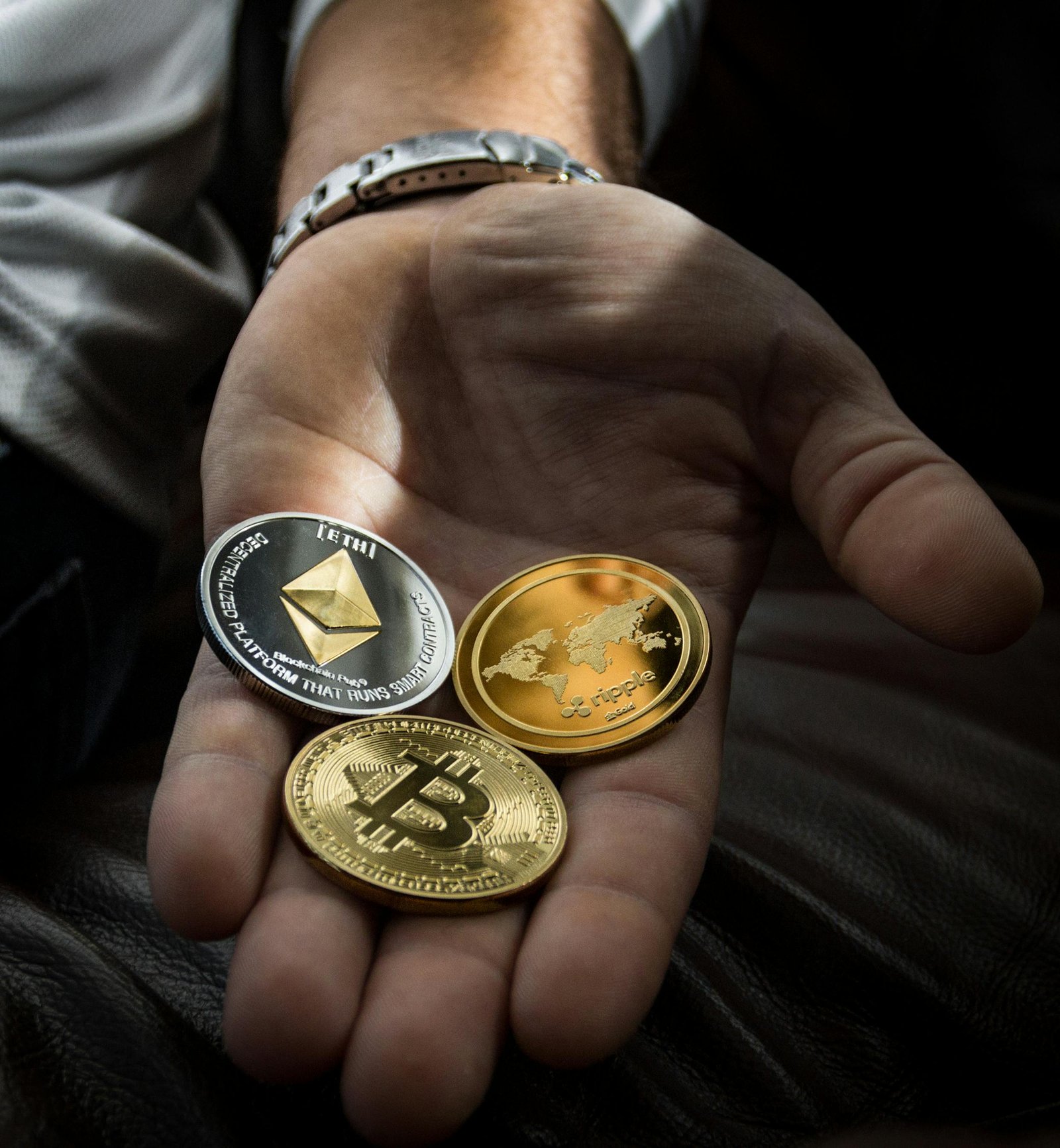
In recent years, the use of cryptocurrency as a form of payment in e-commerce has gained popularity worldwide. Denmark, known for its progressive approach to technology and innovation, is no exception to this trend. However, when it comes to integrating crypto payments with online shopping carts in the country, there are important laws and regulations that businesses need to consider. Understanding the Legal Landscape Denmark's regulatory framework for cryptocurrencies is relatively favorable compared to some other countries. The country recognizes virtual currencies as a means of payment and has implemented certain regulations to prevent money laundering and terrorist financing. Businesses that wish to accept cryptocurrency payments through their online shopping carts must adhere to these regulations to ensure compliance. Tax Implications One key aspect that businesses should be aware of when integrating cryptocurrency payments into their e-commerce platforms is the tax implications. In Denmark, gains from the sale or exchange of cryptocurrencies are subject to taxation. Businesses accepting cryptocurrencies as payment must therefore keep detailed records of transactions and report these to the relevant tax authorities. Consumer Protection Another important consideration for businesses using cryptocurrency in e-commerce is consumer protection. While the decentralized nature of cryptocurrencies offers certain advantages, such as lower transaction fees and faster payments, it also comes with risks. Businesses must ensure that adequate measures are in place to protect consumer data and funds when accepting crypto payments. Security and Compliance When implementing cryptocurrency payments in online shopping carts, businesses must prioritize security and compliance. This includes using secure payment gateways, implementing robust encryption protocols, and staying up to date with regulatory developments. By prioritizing security and compliance, businesses can build trust with customers and mitigate potential risks associated with crypto transactions. In conclusion, while Denmark offers a relatively favorable environment for businesses looking to accept cryptocurrency payments in e-commerce, there are important laws and regulations that must be considered. By understanding the legal landscape, addressing tax implications, prioritizing consumer protection, and ensuring security and compliance, businesses can successfully navigate the intersection of cryptocurrency and online shopping carts in Denmark.
https://vollmacht.org


