**Exploring the Intersection of Cryptocurrency, Blockchain, and Diplomacy**
Category : Cryptocurrency History |
Sub Category : Posted on 2024-10-05 22:25:23
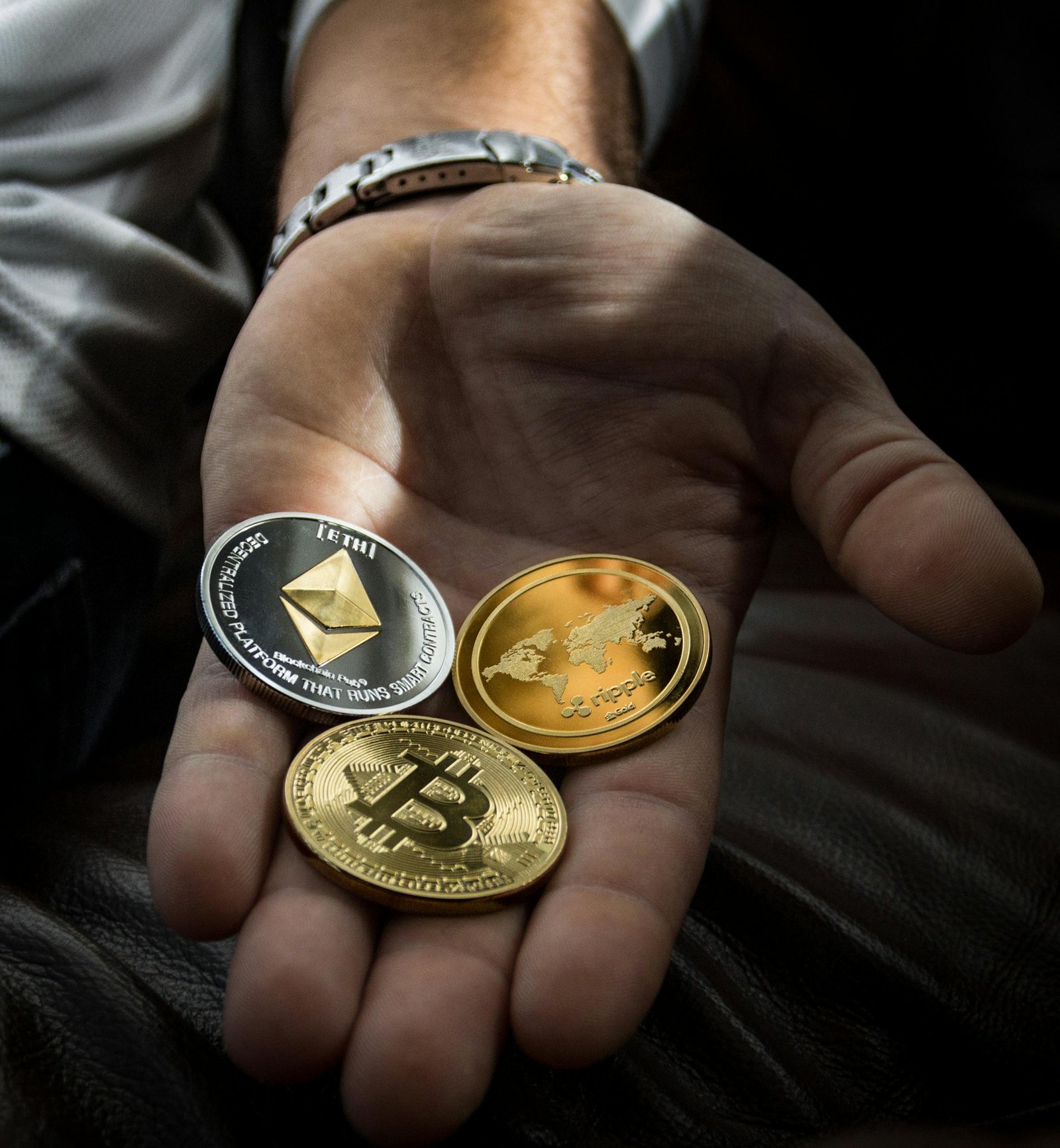
In recent years, the worlds of cryptocurrency, Blockchain technology, and diplomacy have become increasingly intertwined. The intersection of these fields has created new opportunities for collaboration and innovation, while also posing unique challenges and considerations for policymakers and practitioners. Cryptocurrency, such as Bitcoin and Ethereum, is a digital form of money that relies on cryptographic techniques to secure financial transactions, control the creation of additional units, and verify the transfer of assets. Blockchain technology, on the other hand, serves as the underlying technology that powers most cryptocurrencies. It is a decentralized and distributed ledger that records transactions across a network of computers in a transparent and tamper-resistant manner. The adoption of cryptocurrencies and blockchain technology has the potential to revolutionize diplomatic efforts around the world. One area where these innovations are particularly relevant is in cross-border payments and remittances. Traditional financial systems are often slow, expensive, and inefficient, especially when it comes to international transactions. Cryptocurrencies offer a faster and more cost-effective alternative, which could streamline diplomatic operations and support economic development in emerging markets. Furthermore, blockchain technology can enhance transparency and accountability in diplomatic processes. By recording diplomatic agreements, communications, and transactions on a tamper-proof ledger, blockchain can help build trust between parties and reduce the risk of disputes or misunderstandings. This increased transparency could also make it easier to track the flow of aid and resources in conflict zones or humanitarian crises. On the other hand, the decentralized nature of cryptocurrencies and blockchain technology also presents challenges for traditional diplomatic frameworks. Governments and international organizations may struggle to regulate and control these emerging technologies, especially when it comes to issues such as money laundering, terrorist financing, and sanctions evasion. As a result, policymakers must strike a balance between fostering innovation and protecting national security interests. In conclusion, the intersection of cryptocurrency, blockchain, and diplomacy offers both opportunities and challenges for the international community. By harnessing the potential of these technologies, diplomats can enhance cross-border cooperation, improve transparency, and support economic development. However, they must also navigate the complexities of regulating decentralized systems and addressing emerging risks in the digital economy. As these fields continue to evolve, it will be essential for diplomats to adapt and innovate in order to effectively address the changing dynamics of the global landscape. For the latest insights, read: https://www.squabbling.org


